

Losing weight can feel overwhelming without a clear plan. Many start with good intentions but struggle to stay on track because their goals are too vague or unrealistic. This is where SMART goals can transform your approach.
SMART goals for weight loss are specific, measurable, achievable, relevant, and time-bound objectives that create a clear roadmap for your success. Instead of saying “I want to lose weight,” you create focused goals like “I will lose 10 pounds in 3 months by walking 30 minutes daily and eating 1,800 calories daily.”
This method works because it breaks down your big goal into manageable steps. You know exactly what to do, when to do it, and how to measure your progress. Research shows that people who set SMART goals are more likely to achieve lasting weight loss results.
Key Takeaways
- SMART goals turn vague weight loss wishes into specific, measurable action plans
- Breaking down goals into smaller steps makes them easier to achieve and track
- Success comes from creating realistic goals that fit your lifestyle and monitoring your progress regularly
What Are SMART Goals for Weight Loss?
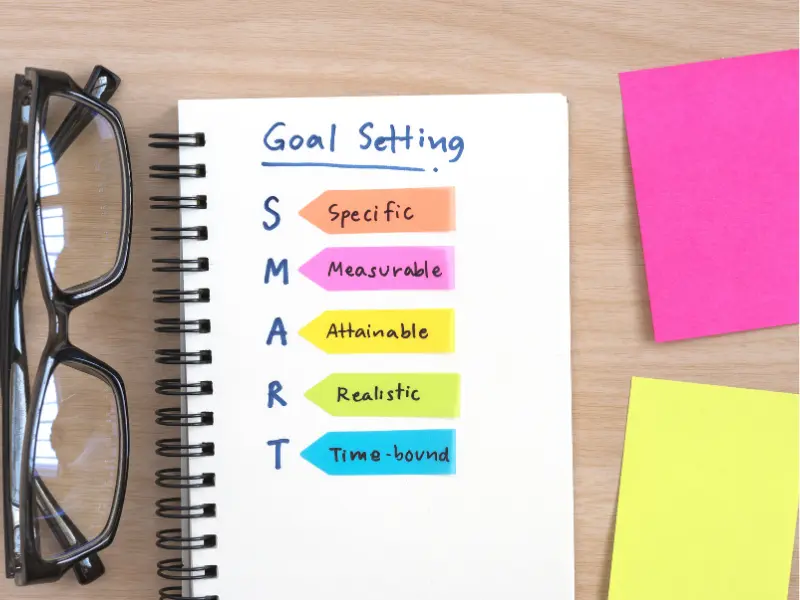
SMART goals give you a clear framework to lose weight successfully. They turn vague wishes into specific plans that you can track and achieve.
Definition of SMART Goals
SMART stands for Specific, Measurable, Achievable, Relevant, and Time-bound. Each letter helps you create better weight loss goals.
Specific means you state precisely what you want to accomplish. Instead of saying “I want to lose weight,” you say “I want to lose 15 pounds.”
Measurable means you can track your progress with numbers. For example, you might weigh yourself weekly or measure your waist size.
Achievable means your goal is realistic for your lifestyle and health. Losing 2 pounds per week is achievable, but losing 10 pounds per week is not safe.
Relevant means your goal matters to your life and health. Your weight loss goal should connect to why you want to get healthier.
Time-bound means you set a deadline. You might aim to lose 15 pounds in 3 months instead of “someday.”
Why SMART Goals Work for Weight Management
SMART goals work because they give your brain clear instructions. Your mind knows exactly what to focus on each day.
Specific goals help you make better food choices. For example, if you want to lose 2 pounds this month, you can plan your meals and portions better.
Measurable goals let you see progress even when it feels slow. You can celebrate small wins like losing 1 pound or walking an extra 1,000 steps.
Time limits create urgency. When you have a deadline to meet, you are more likely to stick to your plan.
SMART goals also help you adjust your plan when needed. If you are not losing weight as expected, you can change your approach before giving up completely.
Benefits of Setting SMART Goals for Weight Loss
SMART goals reduce feelings of failure and frustration. You know exactly what success looks like, so you can recognize your progress.
They help you stay motivated longer. Each small goal you reach builds confidence for the next challenge.
SMART goals make weight loss feel less overwhelming. Breaking down a big goal like losing 50 pounds into smaller monthly targets feels more manageable.
You develop better habits with SMART goals. Focusing on specific actions like eating five servings of vegetables daily creates lasting lifestyle changes.
These goals also help you communicate better with doctors, trainers, or family members supporting your journey. Everyone understands your plan and can help you succeed.
How to Set Effective SMART Goals for Weight Loss
Setting effective weight loss goals requires being specific rather than vague, creating ways to track progress with numbers, choosing targets you can actually reach, and focusing on objectives that matter to your health and lifestyle.
Making Weight Loss Goals Specific
Your weight loss goals need precise details instead of general statements. Saying “I want to lose weight” won’t work as well as “I want to lose 15 pounds.”
Specific goals answer these questions:
- How much weight do you want to lose?
- Which habits will you change?
- What foods will you eat more or less of?
- How often will you exercise?
Write down precisely what you plan to do each day. Instead of “eat healthier,” try “eat five servings of vegetables daily” or “replace soda with water at lunch.”
For exercise, avoid saying, “Work out more.” Instead, choose specific actions like “walk 30 minutes after dinner” or “attend yoga class twice weekly.”
The more specific your goals, the easier it becomes to take action. You’ll know exactly what to do each day instead of guessing.
Ensuring Measurable Outcomes
You need ways to track your progress with real numbers. This will help you see if your plan is working and keep you motivated.
Track these measurements:
- Weight: Weigh yourself once per week at the same time
- Body measurements: Measure waist, hips, and arms monthly
- Food intake: Count calories or portions daily
- Exercise: Record minutes, steps, or workouts completed
Collect this data using a scale, measuring tape, food diary, or fitness app. Write it down so you can see patterns over time.
Set mini-goals along the way. If you want to lose 20 pounds in 5 months, aim for 4 pounds per month or 1 pound per week.
Take photos of yourself monthly. Sometimes the scale doesn’t change, but your body shape improves.
Measuring helps you celebrate small wins and adjust your plan when needed.
Setting Achievable Milestones
Your goals must be realistic for your lifestyle and current fitness level. Setting impossible targets leads to frustration and giving up.
Make goals achievable by:
- Losing 1-2 pounds per week maximum
- Starting with small changes, you can stick to
- Considering your schedule and family needs
- Building on past successes
If you’ve never exercised, don’t plan to work out seven days a week. Start with two to three days and gradually increase.
Choose one major change at a time. Focus on eating more vegetables before cutting out all sugar.
Think about obstacles you’ve faced before. Plan how to handle busy weeks, social events, or stress eating.
Set smaller milestones every 2-4 weeks. This gives you regular chances to succeed and stay motivated.
Defining Relevant Objectives
Your weight loss goals should be connected to what matters most in your life. This will make you more likely to stick with your plan when things get tough.
Ask yourself why you want to lose weight:
- To have more energy for your kids
- To reduce health problems like diabetes
- To feel confident in your clothes
- To keep up with active hobbies
Write down your personal reasons and read them when motivation drops. Your goals should fit your values and lifestyle.
Make sure your methods match your preferences. If you hate running, choose walking or swimming instead.
Consider your family’s needs too. Pick meal changes that work for everyone in your house.
Your goals should improve your overall health, not just the number on the scale. Focus on feeling stronger and having more energy.
Tracking and Evaluating Your Weight Loss SMART Goals

Regular tracking helps you stay on course and make smart changes to your weight loss plan. You need the tools to measure progress and know when to adjust your approach for better results.
Tools for Monitoring Progress
Digital tracking apps make monitoring your weight loss goals accurate and straightforward. Popular options include MyFitnessPal for calorie counting and Fitbit for activity tracking.
These apps let you log daily food intake, exercise minutes, and weight changes. Many connect to smart scales and fitness devices for automatic data collection.
Traditional tracking methods work well if you prefer paper records. Write down your daily weight, meals, and workout sessions in a simple notebook.
Create a weekly progress chart with columns for:
- Date
- Weight
- Calories eaten
- Exercise completed
- How you felt
Body measurements give you a complete picture beyond just the scale number. Measure your waist, hips, arms, and thighs every two weeks.
Take progress photos in the same clothes and lighting each time. Weight can stay the same while you lose inches and gain muscle.
Adjusting Your Goals Over Time
Review your progress every two weeks to see if your goals need to be changed. If you’re losing weight too fast or too slowly, adjust your daily calorie target.
For most people, safe weight loss is 1-2 pounds per week. Losing more than 3 pounds weekly might indicate that your goals are too strict.
When adjusting your plan, make small changes instead of big ones. For example, add 10 more minutes to your daily walk rather than doubling your workout time.
If you miss your weekly goal twice a row, the target might be too hard. Lower your expectations by 25% and build back up slowly.
Life changes require goal updates, too. A new job, injury, or family situation might make your original plan no longer work.
Don’t abandon your goals. Instead, modify the timeline or daily actions to match your current life.
Celebrating Achievements Safely
Non-food rewards keep you motivated without hurting your progress. Buy new workout clothes, get a massage, or enjoy a fun activity when you hit milestones.
Avoid celebrating with cheat meals or food treats. This creates an unhealthy relationship between achievements and eating.
Small wins matter just as much as big ones. Celebrate drinking enough water for a week or completing all planned workouts for five days.
Set reward levels for different achievements:
- Weekly goals met: New workout playlist
- Monthly goals met: New fitness gear
- Major milestones: Weekend trip or spa day
Share your success with supportive friends and family members. Their encouragement helps you stay committed to your long-term goals.
Post progress photos on social media or join online weight loss communities. Positive feedback from others boosts your confidence and motivation.
Examples of SMART Goals for Weight Loss
SMART goals work best when they target specific timeframes and outcomes you can measure. Some focus on short-term wins like losing 5 pounds in 6 weeks, while others target long-term changes like maintaining a 30-pound loss over a year.
Short-Term Weight Loss Goal Examples
“I will lose 8 pounds in 8 weeks by eating 1,500 calories daily and walking 30 minutes, 5 days per week.”
This goal hits all SMART criteria. It’s specific about the amount and methods. You can measure progress weekly on a scale. Eight pounds in eight weeks equals one pound per week, which is achievable.
“I will lose 2 inches from my waist in 6 weeks by doing strength training 3 times per week and cutting out sugary drinks.”
This focuses on body measurements instead of weight. You can track waist size with a measuring tape. The timeline gives you clear deadlines to work toward.
“I will lose 5 pounds by December 31st by meal prepping every Sunday and eating out only once weekly.”
Meal prepping creates structure for your eating habits. Limiting restaurant meals helps control calories and portions.
Long-Term Weight Loss Goal Examples
“I will lose 25 pounds in 6 months by tracking my food intake daily and exercising 4 times per week.”
This equates to about 1 pound per week. Daily food tracking keeps you aware of your eating patterns, and four workout sessions per week create a sustainable routine.
“I will maintain a 20-pound weight loss for 12 months by weighing myself weekly and staying within a 3-pound range.”
Maintenance goals are just as important as losing weight. Weekly weigh-ins catch small gains before they become big problems. A 3-pound range accounts for normal weight changes.
“I will reach 150 pounds by June next year through portion control and strength training twice weekly.”
This gives you a specific target weight and deadline. Strength training helps preserve muscle mass during weight loss.
Non-Scale SMART Goals
“I will walk 10,000 steps daily for 30 days straight using my fitness tracker.”
Steps are easy to measure and track. This goal focuses on building healthy habits instead of weight numbers.
“I will eat five servings of vegetables daily for 4 weeks.”
You can count the vegetable servings for each meal. This builds better eating habits that support weight loss.
“I will complete three weekly strength training workouts for 8 weeks.”
Building muscle helps your body burn more calories. You can track completed workouts in a journal or app.
“I will drink 64 ounces of water daily for 30 days.”
Water intake affects hunger and energy levels. You can measure this with a marked water bottle.
Overcoming Common Challenges

Weight loss journeys often hit roadblocks that can derail progress. SMART goals help you navigate these obstacles by providing clear targets and measurable steps to get back on track.
Dealing with Plateaus
Weight loss plateaus happen when progress stops for several weeks. During these plateaus, your body adapts to your current routine and burns fewer calories.
Break through plateaus by adjusting your SMART goals:
- Specific: Change one element of your plan (increase protein to 30% of daily calories)
- Measurable: Track new metrics like body measurements or fitness improvements
- Achievable: Set smaller weekly goals (0.5 pounds instead of 2 pounds)
- Relevant: Focus on strength training goals to build muscle
- Time-bound: Give new changes 3-4 weeks to show results
Review your food intake and exercise intensity. Your body may need fewer calories now than when you started. Increase your workout difficulty or try new activities.
Track non-scale victories during plateaus. Measure your waist, hips, and arms monthly. Notice improvements in energy levels or sleep quality.
Staying Motivated
Motivation drops are normal during long-term weight loss. SMART goals keep you focused when excitement fades.
Build motivation into your goal structure:
| Strategy | SMART Application |
|---|---|
| Visual reminders | Post specific goals where you see them daily |
| Progress tracking | Use apps to measure weekly achievements |
| Reward system | Set rewards for reaching monthly targets |
| Social support | Share time-bound goals with friends or family |
Break large goals into weekly mini-goals. Celebrate small wins like drinking 64 ounces of water daily for one week.
Create accountability by telling others your specific targets. Join weight loss groups or find a workout partner with similar goals.
Schedule regular goal reviews every two weeks. Adjust targets that feel too easy or too hard.
Handling Setbacks
Setbacks, such as missed workouts or overeating, are part of the process. SMART goals help you recover quickly without giving up.
Turn setbacks into learning opportunities:
- Analyze what went wrong: Did you skip the gym because your goal was too ambitious?
- Adjust your timeline: Extend your deadline by one week instead of quitting
- Modify the target: Lower your weekly exercise goal from 5 days to 3 days
- Focus on the next step: Plan tomorrow’s meals tonight
Don’t restart your entire plan after one bad day. Return to your routine immediately. One missed workout doesn’t erase weeks of progress.
Plan for difficult situations ahead of time. Set backup goals for busy weeks or holidays. Have healthy snacks ready when cravings hit.
Track both successes and setbacks in a journal. Look for patterns that trigger problems and adjust your goals accordingly.
Personalizing SMART Goals to Individual Needs
Your weight loss goals need to match your situation and health needs. People with medical conditions and different age groups require specific approaches to achieve their goals safely and effectively.
Adjusting Goals for Medical Conditions
Diabetes changes how you should set weight loss goals. Instead of faster rates, aim to lose 1-2 pounds per week. Focus on blood sugar control first.
Your goal might be: “I will lose 8 pounds in 2 months by eating three balanced meals daily and checking my blood sugar 4 times daily.”
Heart conditions require gentler exercise goals. Start with 10-15 minutes of walking daily. Avoid high-intensity workouts without doctor approval.
A safe goal could be: “I will walk for 15 minutes after dinner 5 days per week for the next month.”
Joint problems like arthritis need low-impact exercise choices. Swimming, water aerobics, or chair exercises work better than running or jumping.
Try this goal: “I will attend water aerobics classes twice weekly for 6 weeks to lose 3 pounds safely.”
Always talk to your doctor before starting any weight loss plan. They can help you set safe limits and suggest the best treatment approach.
SMART Goals for Different Age Groups
People over 50 should focus on maintaining muscle while losing weight. Add strength training twice weekly. Aim for a slower weight loss of 1 pound per week.
Your goal might be, “I will do strength exercises two times per week and lose four pounds in one month by eating more protein.”
Young adults can handle faster changes but need realistic timelines. College students should plan around school schedules and dining hall options.
A good goal is: “I will pack healthy lunches four days per week and use the gym three times weekly to lose six pounds in six weeks.”
Parents need goals that work with family life. Include family activities and meal prep that works for everyone.
Try: “I will take family walks 3 evenings per week and prepare healthy dinners 5 days weekly to lose 5 pounds in 2 months.”
Each age group faces different challenges. To achieve greater success, match your goals to your daily routine and energy levels.
Maintaining Success After Achieving SMART Weight Loss Goals

Your weight loss journey continues even after hitting your target weight. The focus shifts from losing pounds to keeping them off through new habits and ongoing goal setting.
Transitioning to Maintenance Goals
You need to replace your weight loss SMART goals with maintenance-focused ones. Instead of “lose 2 pounds per week,” your new goal might be “maintain current weight within a 3-pound range for 6 months.”
Key maintenance goals to set:
- Weight range targets: Aim to stay within 2-5 pounds of your goal weight
- Exercise frequency: Commit to specific workout days per week
- Portion control: Track meals 4-5 days weekly instead of daily
- Weigh-in schedule: Step on the scale once or twice weekly
Your calorie needs change after weight loss. You’ll eat more calories than during weight loss but fewer than before you started. Most people require 200-300 more calories daily during maintenance than during the weight loss phase.
Set monthly check-ins to review your progress. Adjust your goals if you notice weight creeping up or your habits becoming too lax.
Preventing Weight Regain
Weight regain happens to most people without a solid plan. Research shows that people who keep weight off long-term follow specific strategies consistently.
Daily habits that prevent regain:
- Morning weigh-ins: Track your weight at the same time each day
- Meal planning: Prepare healthy meals in advance
- Physical activity: Aim for 60-90 minutes of moderate exercise daily
- Sleep schedule: Get 7-9 hours of quality sleep nightly
Watch for warning signs, such as skipping workouts for more than three days or gaining 3-5 pounds over two weeks. These signals mean you need to tighten your habits quickly.
Keep using food tracking apps or journals even if you don’t log every meal. Studies show people who continue some form of monitoring maintain weight loss better than those who stop completely.
Create backup plans for challenging situations like holidays, vacations, or stressful periods. Having specific strategies ready helps you bounce back faster from temporary setbacks.
Incorporating SMART Goals into a Healthy Lifestyle
SMART goals work best when you combine eating habits with regular exercise and build a strong support network. These two key areas help you stay on track and make lasting changes.
Combining Nutrition and Exercise Strategies
Your SMART goals should include both what you eat and how you move. This creates a complete plan that helps you lose weight safely.
Set specific nutrition targets, such as eating five servings of vegetables daily or drinking 8 glasses of water. Make these goals measurable by tracking them in a food diary or app.
For exercise, aim for clear numbers. Plan to walk 30 minutes, 5 days per week. Or set a goal to strength train twice weekly for 45 minutes each session.
Create weekly meal plans that match your calorie goals. Shop for healthy foods on Sunday, and prep meals in advance to avoid poor food choices during busy weekdays.
Schedule your workouts like important meetings. Put them on your calendar at the same times each week. This will build routine and make exercise a habit.
Track both areas together. If you eat more calories one day, add 10 extra minutes to your next workout. This flexible approach keeps you moving toward your weight loss target.
Building Support Systems
Tell family and friends about your SMART goals. Ask them to support your healthy choices. Request that they join you for walks or cook healthy meals together.
Find an accountability partner who shares similar goals. Check in with them weekly to discuss your progress. Share both wins and challenges.
Join online groups or local fitness classes where others work toward weight loss goals. These communities provide motivation and helpful tips from people who understand your journey.
Create rewards for reaching milestones. Ask your support team to celebrate with you in healthy ways. Instead of using food as a reward, plan a hiking trip or buy new workout clothes.
Set boundaries with people who discourage your efforts. Some friends might pressure you to skip workouts or eat unhealthy foods. Practice saying no in a kind but firm way.
Use apps or tools that connect you with others. Many fitness and nutrition apps have community features where you can share progress and get encouragement from other users.
Conclusion
SMART goals give you a clear path to weight loss success. The framework helps you create targets that are easy to follow and track.
Research shows SMART goals work. Studies found that people who use this method lose more weight than those with vague goals. You get better results when your goals are specific and time-based.
Setting higher weight loss goals can help you succeed. People with challenging but realistic targets tend to lose more weight and stick with their plans longer.
Key benefits of SMART goals include:
- Clear direction for your weight loss journey
- Easy progress tracking
- Higher chance of long-term success
- Better motivation to stay on track
Your goals should always be specific rather than general. “Lose 10 pounds in three months” works better than “lose weight.” This gives you something concrete to work toward.
The SMART method works because it:
- Specific targets keep you focused
- Measurable results show your progress
- Achievable goals prevent frustration
- Relevant objectives match your needs
- Time-bound deadlines create urgency
You can use SMART goals with your doctor or trainer. Working together, you can set realistic targets that fit your health needs.
The structured approach makes weight loss less overwhelming. You break big changes into smaller steps that are easier to manage and complete.